The Real Reason Behind White Aircraft: It’s More Than Just Aesthetics
December 22, 2025
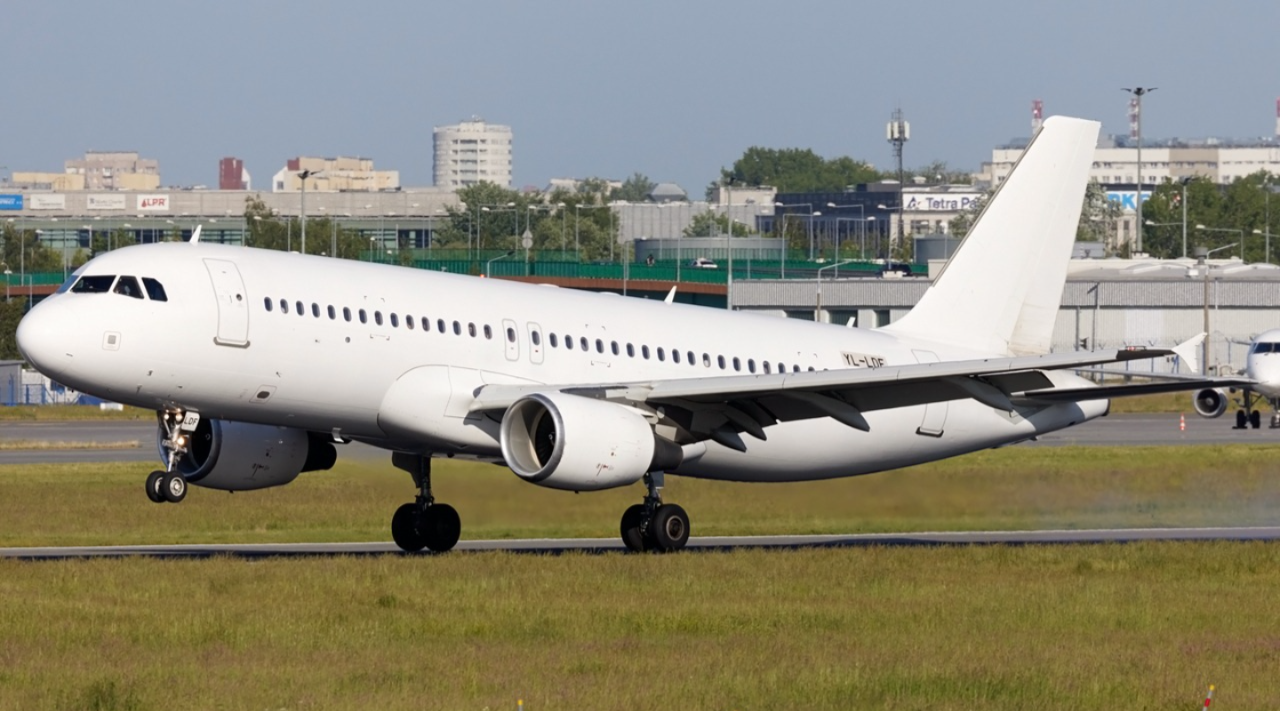
Ever wondered why most planes are white? 🌟 Many airlines add a splash of color to their tailcone, but the fuselage is predominantly white. Is it a design trend, a marketing move, or something more practical?
Practical Reasons Behind White Aircraft
 White Keeps It Cool: White paint reflects sunlight, keeping the aircraft cabin, fuel tanks, and electronics cooler. This reduces strain on cooling systems and improves efficiency.
- Cost-Effective: Painting a plane is expensive (up to $200,000!). White paint is cheaper, requires fewer coats, and doesn’t fade quickly, saving airlines money in the long run.
- Easier Maintenance: White surfaces make it easier to spot cracks, dents, corrosion, or oil leaks, preferred for safety and maintenance efficiency.
- Boosts Resale Value: A white plane is a neutral base, making it easier to repaint or rebrand for a new operator.
- Enhanced Safety Visibility: White aircraft are easier to see, increasing safety during takeoffs, landings, and taxiing.
- Potential Bird Strike Prevention: Some studies suggest birds can see white objects more easily, reducing the risk of bird strikes.
- Fuel Efficiency: White paint is lighter, offering a small advantage in fuel efficiency.
Why Not All Airlines Use White?
While most airlines choose white for practical reasons, some opt for bold designs as part of their branding. These choices are usually for marketing purposes and are the exception, not the rule.
Conclusion
Painting planes white is a smart combination of science, savings, and safety. Next time you’re boarding a flight, appreciate that bright white fuselage – it’s a well-thought-out engineering decision! ✈️