The Evolution of Pilot Training: From Traditional Methods to Cutting-Edge Technology
October 13, 2025
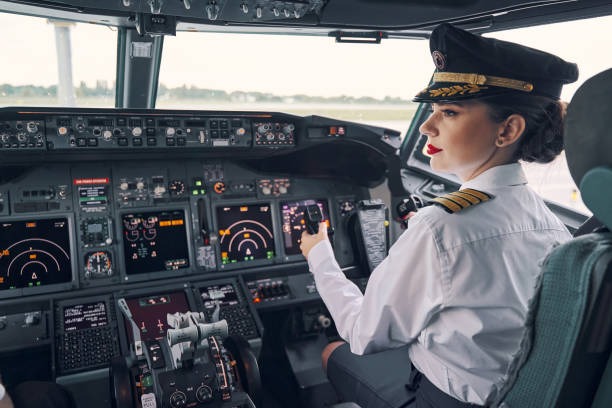
Becoming a pilot is more than just learning to fly; it’s the beginning of a thrilling journey that takes you to unique and challenging airports around the world. At Monmouth Jet Center, located at Monmouth Executive Airport (BLM), we offer one of New Jersey’s most stress-free environments for flight training in NJ.
Core Principles of Aviation Training: Adapting Over Time
– Historical Context: During World War II, pilots received 65 hours of primary training and 75 hours of basic and advanced training. Today, the Federal Aviation Administration (FAA) has strict requirements for pilot licensing.
– Key Principles: Emergency procedures, weather conditions, aircraft maintenance, navigation, communication, and human factors are essential components of aviation training.
– Adaptability: The ability to adapt is crucial for pilots, and ongoing education is necessary to develop and maintain airmanship skills.
Key Shifts in Aerial Navigation Training Techniques
– From Stars to Satellites: Navigation tools have evolved from celestial navigation to mechanical instruments, radio navigation systems, and now, electronic navigation systems using GPS and AI.
– Modern Navigation: Today’s pilots learn to navigate with advanced instruments, including autopilot systems and AI-powered navigation.
– Importance of Analog Training: Despite the advancements in technology, analog navigation training remains essential, as highlighted by the FAA’s warning about GNSS jamming.
Learning from Aviation Accidents: Shaping Safety Protocols
– History of Aviation Accidents: The first passenger fatality occurred in 1908, and aviation accidents have shaped safety protocols over the years.
– FAA’s Role: The FAA was created to improve aviation safety and continues to guide pilot training.
– International Safety Standards: The International Civil Aviation Organization (ICAO) defines international safety, environmental, and operating standards for civil aviation.
Innovations in Pilot Training
– Simulation Training: Flight simulation training devices and virtual reality (VR) and augmented reality (AR) are changing the way pilots train.
– Immersive Training: The U.S. Air Force’s Aircade and the FAA’s qualified flight simulation training devices provide immersive training experiences for pilots.
– Safety-Focused Innovation: Innovation in the aviation industry is rapidly changing, but safety remains the top priority in pilot training.