Surprising Facts About Airlines That Will Blow Your Mind
December 11, 2025
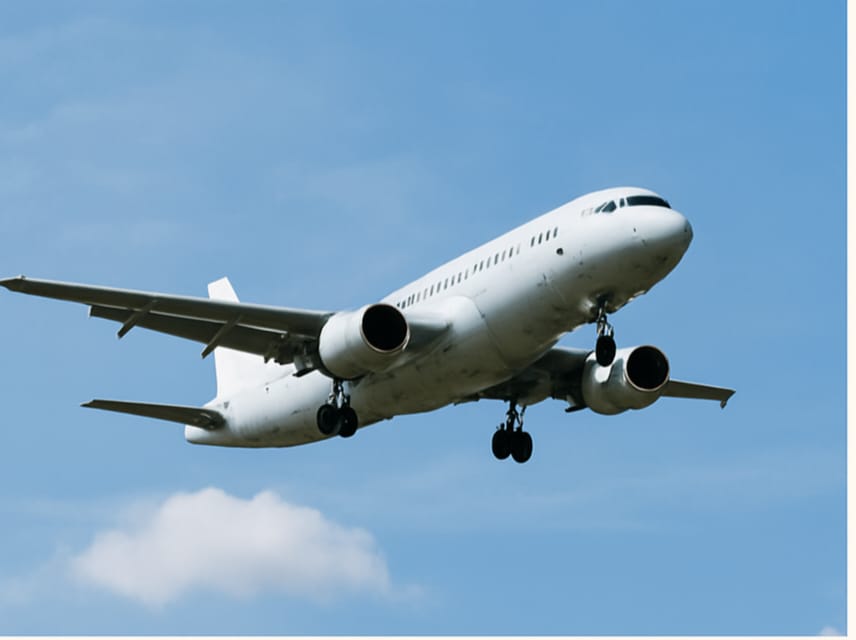
Air travel has become such a routine part of life that most of us barely think about what’s happening behind the scenes. We book a ticket, take our seat, watch a movie, and land at a new destination in a matter of hours. But airlines are full of fascinating, strange, and sometimes unbelievable facts that rarely make it into everyday conversation. Here are some surprising things most people don’t know about the aviation world.
⭐ 1. Airlines Make Less Money Than You Think
Air travel feels expensive, but airlines operate on shockingly thin profit margins. On average, airlines make just 2–5% profit per ticket. That means if you buy a $500 ticket, the airline might only make $10–$25 after covering fuel, staff, maintenance, taxes, airport fees, and food.
This explains why airlines are obsessed with on-time departures. Delays cost fuel, crew overtime, and sometimes airport penalties. Believe it or not, a flight leaving late by 20 minutes can wipe out its profit entirely.
⭐ 2. Turbulence Scares Passengers, But Not Pilots
Turbulence is one of the most common fears among passengers, but pilots treat it as a routine part of flying. Aircraft are designed to withstand far worse conditions than normal turbulence, and pilots usually know it’s coming well in advance thanks to weather radar and other aircraft reports.
Interestingly, most turbulence is not dangerous at all—it’s just uncomfortable. Airlines only worry about turbulence because it can cause injuries if people aren’t wearing seatbelts, not because it threatens the aircraft.
⭐ 3. The Real Reason Airplane Food Tastes Strange
Ever noticed how airplane food tastes bland?
It’s not just the recipe. At cruising altitude, humidity drops significantly, and the cabin becomes pressurized. These conditions reduce your ability to taste sweet and salty flavors by up to 30%.
Airlines don’t purposely make bad food—they’re fighting against science. To compensate, chefs add more umami, spices, and aromatics, which explains why tomato juice and spicy noodles are so popular in the sky.
⭐ 4. The Most Expensive Parts of a Flight Aren’t What You Think
Many passengers assume fuel is the biggest cost of flying. While fuel is a major expense, modern aircraft engines are incredibly efficient. What often costs more are airport charges, crew salaries, and aircraft leasing.
In fact, some airports charge airlines thousands of dollars just to land. That’s why budget airlines focus on cheaper, secondary airports.
⭐ 5. Airlines Don’t Make the Most Money From Tickets
Here’s one of the biggest surprises: airlines often lose money on the base ticket price. Where they make profit is from ancillary revenue—baggage fees, seat selection, upgrades, food, lounge passes, and even credit card programs.
In the U.S., airlines made more profit from baggage and loyalty programs than from ticket sales in some years.
⭐ 6. Why You’ll Never See Empty First Class Seats Given Away for Free
Many passengers hope to magically get upgraded just because seats are open. But airlines avoid giving free upgrades because premium cabins are their most profitable space.
If they start handing out seats for free, passengers will stop paying thousands of dollars for them. Most upgrades go to elite status flyers, not random travelers.
Final Thoughts
Airlines may look glamorous, but behind the scenes, they’re complex, competitive, and occasionally bizarre businesses trying to survive in a demanding industry. The next time you fly, remember: every detail—from the seat you chose to turbulence you feel—comes with a story.