How Aviation Became One of the Safest Industries in the World
June 11, 2026
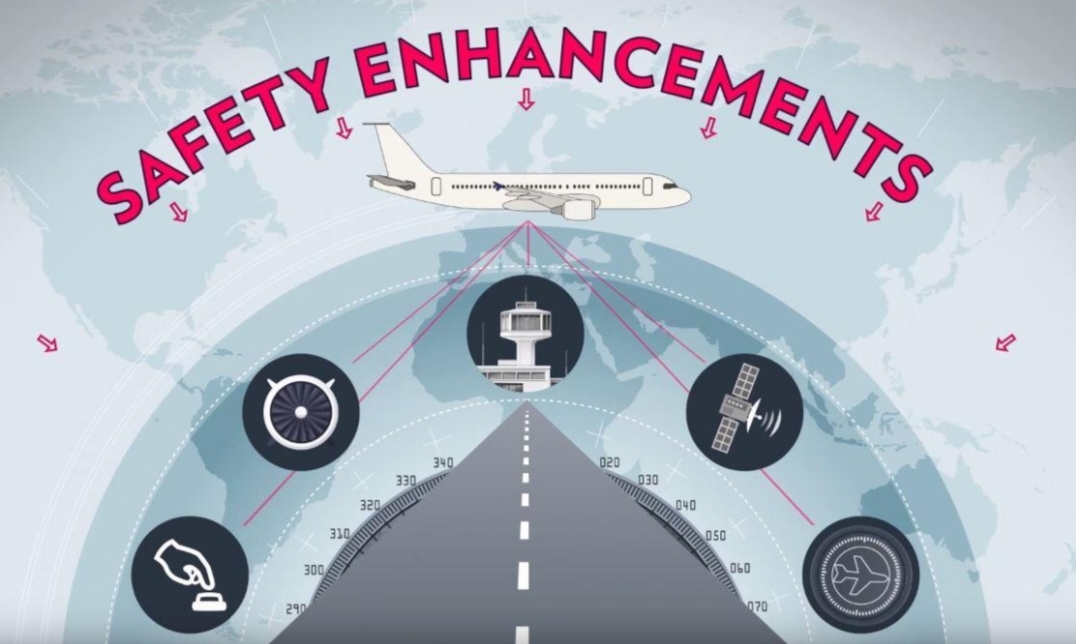
Understanding the Systems, Training, and Technology Behind Safe Air Travel
Flying thousands of feet above the ground in a large aircraft may seem intimidating to some people, yet aviation is widely recognized as one of the safest modes of transportation in the world. Every day, millions of passengers travel across cities, countries, and continents with confidence and trust in the aviation system.
Have you ever wondered how the aviation industry achieved such an extraordinary safety record?
The answer lies in a powerful combination of highly trained professionals, advanced aircraft technology, strict maintenance standards, international regulations, and a strong safety culture that continuously evolves through learning and innovation.
Intensive Training: Preparing Aviation Professionals for Every Situation
One of the primary reasons aviation is so safe is the extensive training provided to aviation professionals.
Pilot Training
Commercial pilots undergo years of rigorous training before earning their licenses. Their journey includes:
* Ground school training
* Flight simulator sessions
* Practical flight training
* DGCA/FAA/EASA examinations
* Medical fitness assessments
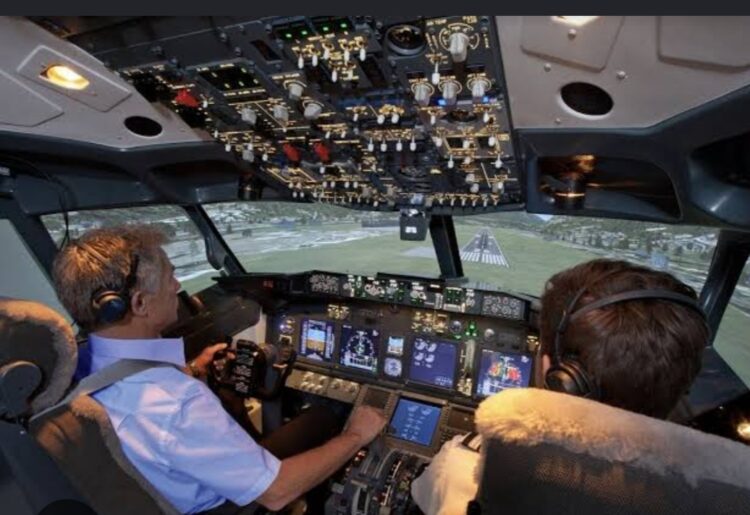
Even after becoming licensed pilots, training never stops. Airline pilots regularly attend recurrent training programs and simulator sessions where they practice handling emergency situations such as:
* Engine failures
* Severe weather conditions
* Instrument malfunctions
* Emergency landings
* System failures
These realistic simulations ensure pilots are prepared to respond effectively to unexpected situations.
Cabin Crew and Ground Operations Training
Many people think cabin crew are responsible only for passenger service. In reality, they are highly trained safety professionals.
Cabin crew members receive training in:
* Emergency evacuation procedures
* Firefighting techniques
* First aid and CPR
* Aircraft safety equipment operation
* Passenger management during emergencies
Similarly, air traffic controllers, flight dispatchers, engineers, and ground operations personnel undergo specialized training to maintain the highest safety standards throughout the aviation ecosystem.
This commitment to continuous learning ensures aviation professionals remain prepared, knowledgeable, and safety-focused at all times.
Advanced Technology Makes Flying Safer Than Ever
Modern aircraft are equipped with sophisticated technologies designed to reduce risk and enhance operational safety.
* Key Safety Technologies in Modern Aircraft
* Traffic Collision Avoidance System (TCAS)
* TCAS continuously monitors nearby aircraft and provides alerts if another aircraft enters a potentially unsafe proximity. It can even recommend corrective actions to pilots, helping prevent mid-air collisions.
Weather Radar Systems
Weather radar enables pilots to detect thunderstorms, turbulence, and severe weather conditions ahead of the aircraft, allowing them to reroute safely when necessary.
Enhanced Navigation Systems
Modern GPS-based navigation systems provide precise aircraft positioning and route guidance, improving situational awareness and reducing navigation errors.
Advanced Autopilot Systems
Autopilot systems assist pilots in managing various phases of flight while reducing workload and enhancing precision.
Aircraft Health Monitoring Systems
Today’s aircraft continuously monitor engine performance, fuel systems, hydraulics, electrical systems, and other critical components. Any abnormality is quickly detected and reported, allowing maintenance teams to address issues proactively.
These technological advancements have significantly improved flight safety while minimizing the potential for human error.
Aircraft Maintenance: Safety Before Everything Else
Aircraft maintenance is one of the most important pillars of aviation safety.
Before every flight, engineers and maintenance personnel conduct detailed inspections to verify the aircraft’s airworthiness. Critical components checked include:
* Engines
* Landing gear
* Braking systems
* Fuel systems
* Hydraulic systems
* Flight controls
* Navigation equipment
* Scheduled Maintenance Checks
Commercial aircraft undergo several levels of maintenance inspections:
A Check – Performed every few hundred flight hours and includes routine inspections and servicing.
B Check – More detailed inspections of aircraft systems and components.
C Check – A comprehensive inspection requiring significant downtime and examination of major aircraft structures.
D Check – The most extensive maintenance procedure, often involving complete disassembly and inspection of large sections of the aircraft.
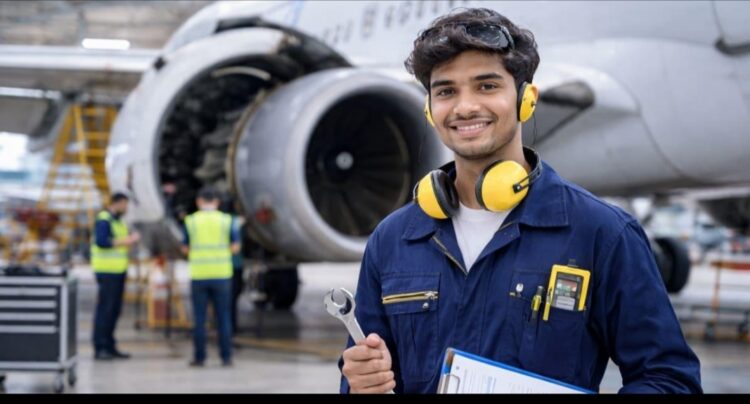
Some maintenance checks can take days or even weeks to complete, ensuring every aircraft remains in optimal operating condition.
In aviation, safety always takes precedence over schedules and operational convenience. Even minor technical issues may result in delays until engineers confirm the aircraft is fully safe to fly.
Global Regulations and Oversight
The aviation industry operates under some of the strictest regulatory frameworks in the world.
International organizations such as the International Civil Aviation Organization (ICAO) establish global safety standards that member countries adopt and implement.
National aviation authorities, including the Directorate General of Civil Aviation (DGCA) in India, oversee:
* Pilot licensing
* Flight operations
* Aircraft maintenance
* Airport safety
* Airline compliance
* Aviation security
Airlines undergo regular audits, inspections, and safety assessments to ensure compliance with these regulations.
Whenever an aviation incident occurs, investigators conduct detailed analyses to identify root causes. Lessons learned are then shared across the global aviation community, helping prevent similar occurrences in the future.
This continuous cycle of monitoring, investigation, and improvement has been instrumental in making aviation safer year after year.
A Strong Safety Culture Across the Industry
Perhaps the most important reason aviation is so safe is its deeply rooted safety culture.
Every aviation professional understands that safety is not just a responsibility—it’s a mindset.
Pilots, cabin crew, engineers, air traffic controllers, flight dispatchers, airport operators, and regulators work together as a coordinated system where every individual plays a critical role in ensuring passenger safety.
From pre-flight inspections and maintenance checks to operational procedures and emergency preparedness, every aspect of aviation is designed with safety at its core.
The Future of Aviation Safety
The aviation industry continues to invest heavily in:
* Artificial Intelligence (AI)
* Predictive maintenance systems
* Enhanced flight data monitoring
* Advanced weather forecasting
* Next-generation aircraft technology
* Improved pilot training systems
These innovations are expected to make air travel even safer in the years ahead.
Conclusion
The remarkable safety record of aviation is not the result of a single factor but the combined efforts of highly trained professionals, advanced technology, rigorous maintenance practices, and strict international regulations.
Every flight represents the coordinated work of thousands of people dedicated to one common goal: ensuring passengers reach their destinations safely.
The next time you board an aircraft, you can travel with confidence knowing that one of the world’s most sophisticated and safety-focused industries is working tirelessly to protect you throughout your journey.
Interested in a Career in Aviation?
Whether you dream of becoming a Commercial Pilot, Cabin Crew Member, Flight Dispatcher, Airport Operations Executive, or Aviation Professional, PTC Aviation Academy can help you take the first step toward a rewarding career in the aviation industry.
Contact PTC Aviation Academy today for career counseling and aviation training programs. https://www.worldptc.com/