COCKPIT OPERATIONS
February 09, 2026
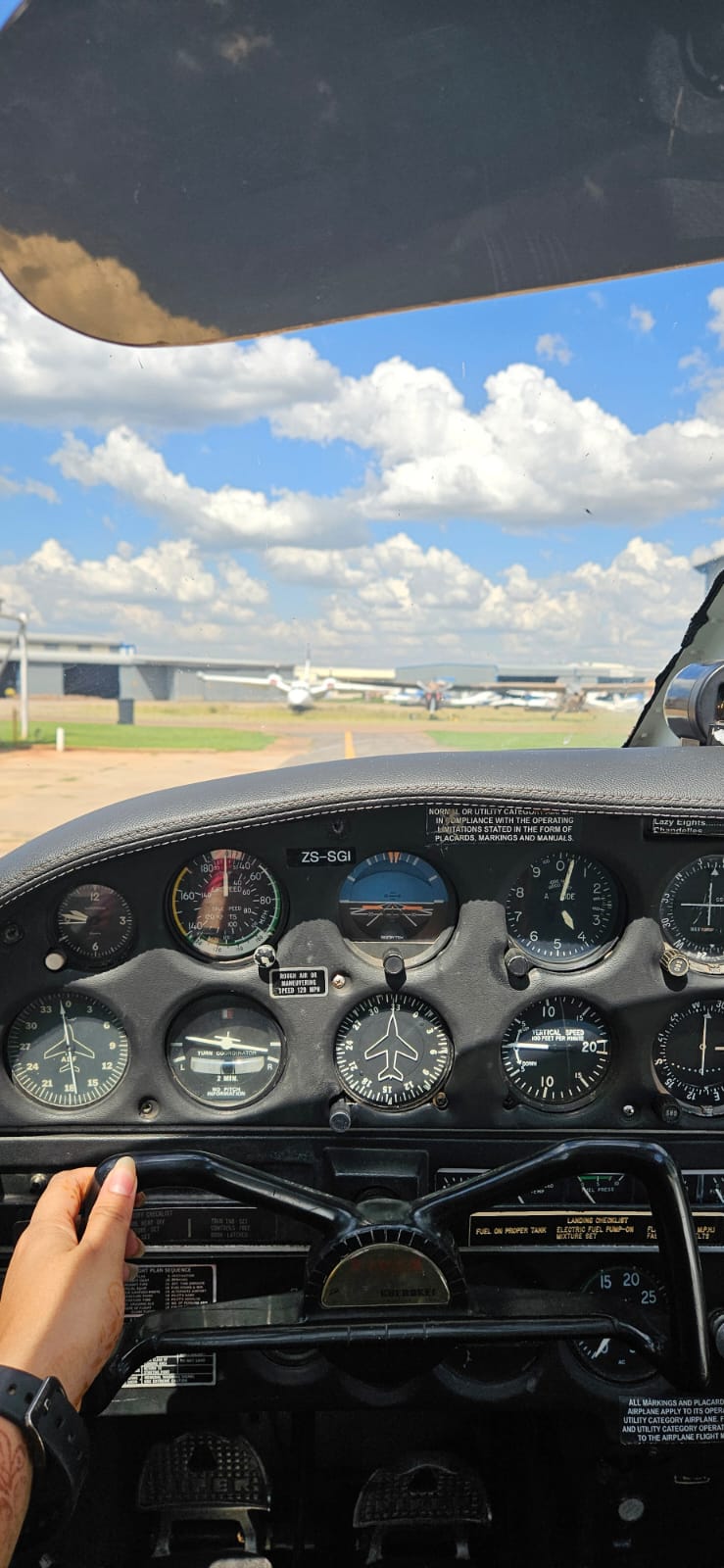
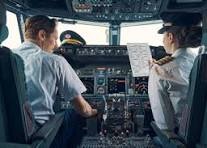
In a modern aircraft cockpit, two pilots typically share duties as the Pilot Flying (PF) and Pilot Monitoring (PM) during takeoff and landing to ensure safety and adherence to procedures. The PF handles direct aircraft control, while the PM monitors instruments, calls out key speeds, manages communications, and runs checklists.
Takeoff Roles
The PF advances the throttles, steers the aircraft on the runway, and rotates it at Vr speed to lift off. The PM verifies thrust settings, calls “100 knots,” “V1,” and “Rotate,” while cross-checking airspeeds and runway alignment.
After liftoff, the PF climbs and retracts flaps/gear as needed, with the PM confirming actions and monitoring engines/fuel.
Landing Roles
During approach, the PF aligns the aircraft with the runway, manages descent speed, extends flaps/gear, and performs the flare just before touchdown. The PM monitors instruments like glideslope and speed, handles ATC communications, and calls “Decide” at decision altitude. Post-touchdown, the PF applies brakes and thrust reversers if equipped, while the PM verifies runway centerline and disarms spoilers. A sterile cockpit rule limits non-essential talk during these phases. Pilots use standardized checklists during takeoff and landing to ensure safety, verify systems, and follow procedures without relying on memory.
Takeoff Checklists
Before takeoff, pilots complete the “Before Takeoff Checklist,” which includes final items like flight controls (free and correct), flaps (as required), trim (set), fuel pumps (on), and transponder (altitude reporting). The Pilot Monitoring (PM) calls out items while the Pilot Flying (PF) confirms and responds, often after engine run-up and systems checks.
During taxi and lineup, a “Takeoff Checklist” or abbreviated flow confirms thrust settings, auto-brakes (armed), and spoilers (armed).
Landing Checklists
The “Descent Checklist” prepares for approach by setting cabin pressure, fuel pumps, and anti-ice as needed. The “Before Landing Checklist” verifies gear down and locked, flaps extended, speed brakes stowed, and lights on, often using the GUMPS mnemonic (Gas, Undercarriage, Mixture, Prop, Seatbelts).
After touchdown, the “After Landing Checklist” retracts flaps, disarms auto-brakes, and turns off landing lights once clear of the runway. These are aircraft-specific, from the Pilot Operating Handbook (POH), and verbalized in the cockpit.
In a modern aircraft cockpit, two pilots typically share duties as the Pilot Flying (PF) and Pilot Monitoring (PM) during takeoff and landing to ensure safety and adherence to procedures. The PF handles direct aircraft control, while the PM monitors instruments, calls out key speeds, manages communications, and runs checklists.
Follow-ups
What checklists do pilots use during takeoff and landing
How does sterile cockpit rule apply to takeoff and landing
What are pilot responsibilities during cruise flight
How does autoland work with PF and PM roles
What training do pilots undergo for emergency takeoff or landing
What checklists do pilots use during takeoff and landing
Pilots use standardized checklists during takeoff and landing to ensure safety, verify systems, and follow procedures without relying on memory.