Can I become a pilot if I’m not good at math?
March 30, 2026
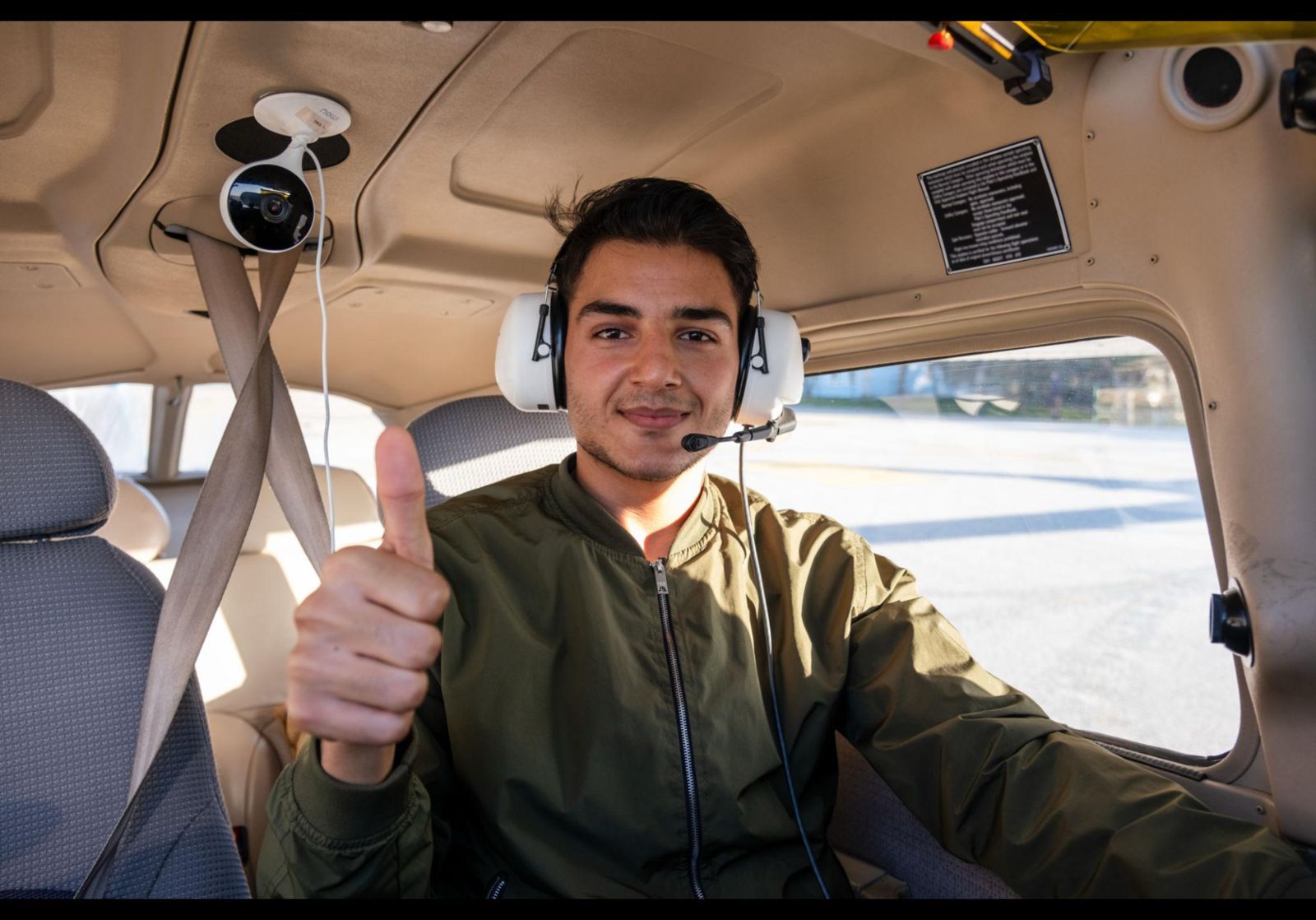
Absolutely. Many successful pilots started exactly where you are.
Here’s the reality:
• You don’t need school-level “topper” math skills
• You need practice and repetition
• Aviation math becomes easier because it’s visual and practical
Most aspiring pilots imagine complex calculus and advanced equations—but in reality, aviation math is practical and application-based.
You’ll mainly use:
• Basic arithmetic (addition, subtraction, multiplication, division)
• Percentages
• Speed, distance, and time calculations
• Simple formulas (fuel burn, wind correction, etc.)
👉 It’s less about solving tough problems and more about understanding what the numbers mean in real-life flying.
During your ground school and exams (especially DGCA), math appears in subjects like:
• Navigation – wind direction, track, heading
• Meteorology – pressure, temperature conversions
• Flight Planning – fuel calculations, time estimations
But don’t worry—these are taught step by step, even if you’re starting from basics.
For more details, visit https://www.worldptc.com/pilot-training