AIRCRAFT LANDING GEAR
April 06, 2026
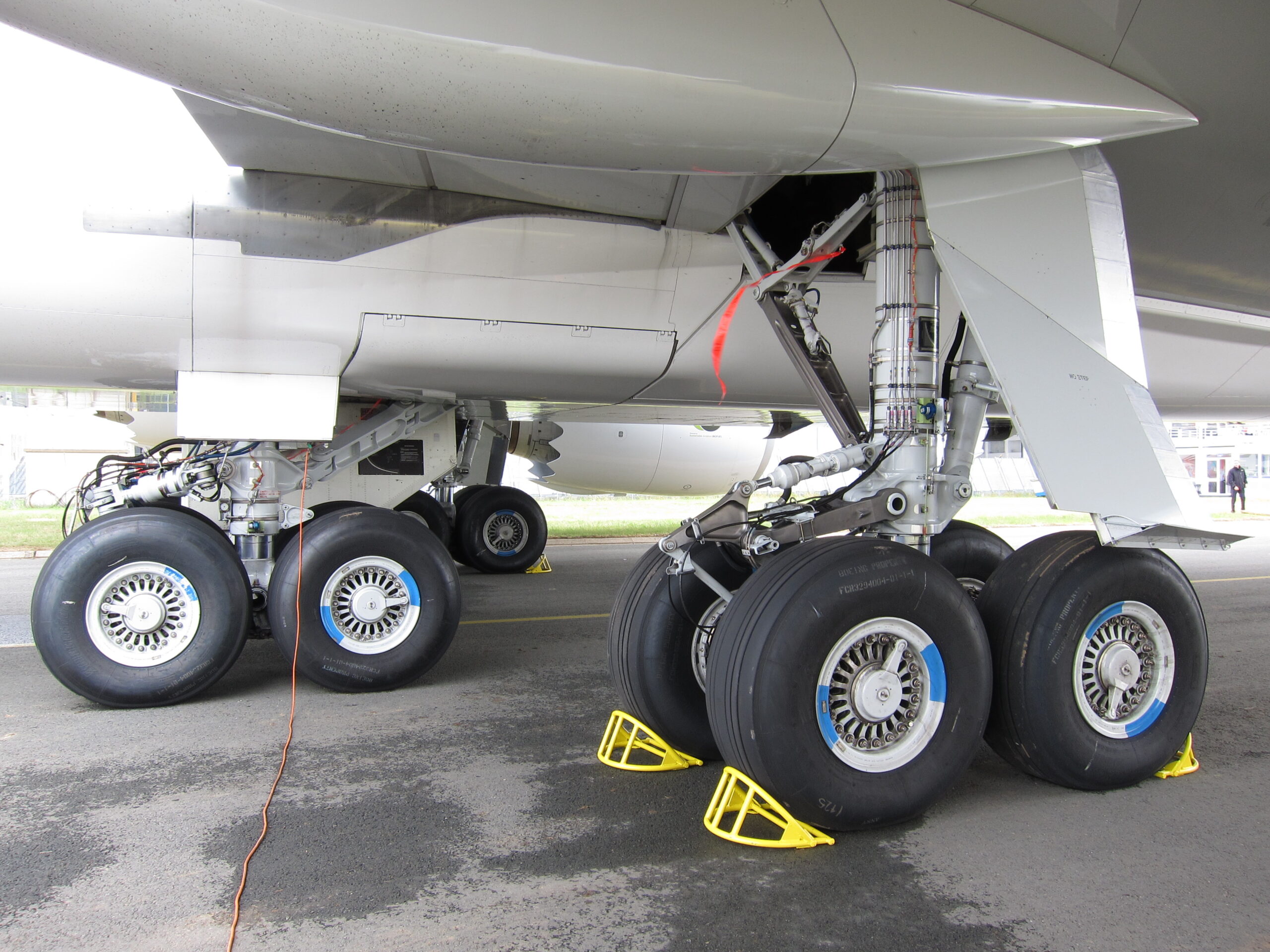
✈️ Aircraft Landing Gear
The landing gear is one of the five main components of an aircraft and plays a vital role during both takeoff and landing. Each aircraft is designed with a specific Maximum Landing Weight (MLW), and safe landing operations depend on staying within this limit.
🔧 What is Landing Gear?
Aircraft landing gear, also known as the undercarriage, is the structural system that supports the aircraft when it is on the ground. It enables takeoff, landing, and taxiing.
It typically consists of:
✈️Wheels
✈️Shock-absorbing struts (oleo-pneumatic type)
✈️Braking systems
Landing gear can be either fixed or retractable, depending on the aircraft design.
🛠️ Key Components
1. Structure
Made from high-strength materials such as steel or titanium alloys to handle heavy loads and stress.
2. Oleo-Pneumatic Struts
These struts use oil and compressed gas to absorb landing impact. They ensure a smooth landing by reducing shock loads on the aircraft.
3. Wheels and Brakes
Allow movement on the ground and provide effective braking during landing and taxiing.
⚙️ Types of Landing Gear
1. Retractable Landing Gear
 Folds into the fuselage or wings
- Reduces aerodynamic drag
- Common in high-speed aircraft
2. Fixed Landing Gear
- Remains exposed
- Simpler design and lower maintenance
- Used in smaller or slower aircraft
🛫 Landing Gear Arrangements
- Tricycle Gear
- Two main wheels + one nose wheel
- Provides better stability, control, and visibility
- Most commonly used in modern aircraft
Taildragger Gear
Two main wheels + one tail wheel
Less stable on the ground but lighter in design
⚡ Functions and Operation
- Ground Handling
- Nose or tail wheels are steerable
- Differential braking helps in turning
- Safety Features
- Mechanical locking systems
- Warning alerts for gear position
- Emergency extension systems (if hydraulic power fails)
Energy Absorption
Designed to absorb high landing impact
Can withstand vertical speeds of around 5 m/s without damaging the aircraft